


Do you want to optimize your pool's water management? Installing a pool water level regulator is an intelligent and efficient solution. This automatic equipment continuously monitors and maintains your pool's ideal water level, thereby protecting your filtration system and preventing overflow or drying out. In addition to saving water and preserving your installations, it frees you from manual monitoring constraints, allowing you to serenely enjoy your pool all year long, whether you are present or not.
The advantages of a level regulator for your pool
Are you wondering why you should integrate a level regulator into your pool? This equipment proves particularly practical for several essential reasons. First, it helps protect the filtration pump from malfunctions caused by an insufficient water level. By ensuring a constant water level, it guarantees optimal operation and contributes to the durability of your installation, while serving your pool components such as skimmers or return nozzles.
Moreover, a level regulator aids water management, significantly reducing wastage often caused by evaporation or overflows. This results in significant water savings, an even more important asset in an environmentally conscious approach. This equipment also helps reduce your water consumption, a major economic advantage.
Finally, it is a tool that simplifies maintenance by automating certain complex tasks, such as manual filling. By automating this operation, you optimize your time and can thus serenely enjoy your pool. This also reduces the risk of forgetting or missing steps, which is particularly useful if you are away or managing a collective pool.
How does a level regulator work?
A pool level regulator relies on simple but effective technology. It is equipped with sensors designed to constantly and precisely monitor your pool's water level. These sensors can continuously detect a drop in water level, thus preventing any deterioration of your pool filtration system.
The regulation process also relies on an solenoid valve, a device that controls the water supply to the pool. As soon as the system detects that the water level is below the preconfigured threshold, the solenoid valve opens automatically and ensures a rapid and efficient replenishment. Once the desired level is reached, the solenoid valve closes, thus limiting the risk of overflow.
Thanks to this advanced automation, not only does the level regulator simplify users' lives, but it also prevents manual filling errors, often prone to inattention. This makes it particularly practical, even for owners who have little time to dedicate to pool maintenance.
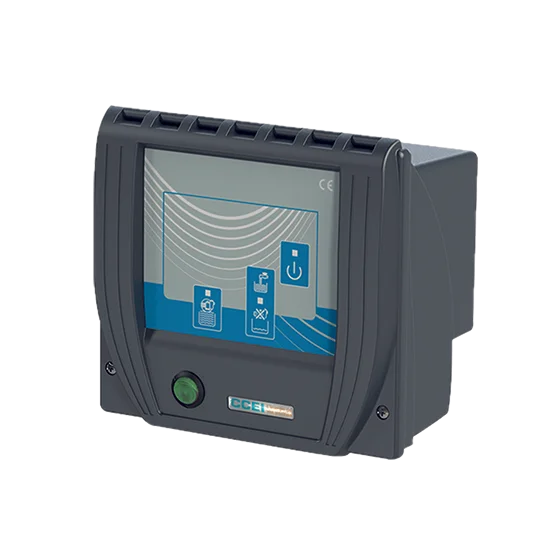
The different types of level regulators available on the market
There are several types of level regulators, adapting to various needs and budgets, which allows you to choose the most compatible with your pool:
- Mechanical floats: Simple and accessible, they represent an economical solution for regulating the water level. They work with a seesaw system, but are less precise than more modern models.
- Automatic electronic regulators: These devices offer precise control, thanks to the integration of intelligent sensors. They detect minor variations in water level in real time, allowing for quick and efficient adjustment of the water height.
- Connected equipment: Very modern, these regulators allow you to remotely monitor and adjust your pool's water level via a dedicated application. They integrate perfectly into a home automation system, for fully centralized management.
Installation and practical tips for optimizing the use of your level regulator
To fully enjoy the benefits of your level regulator, correctly installing the device is an essential step. Here are the key steps to ensure optimal installation:
- Choose the best position: The regulator should be placed near the filtration system, to benefit from direct and practical access to the refill water.
- Ensure precise connection of water inlets and sensors. A poor connection can affect the proper functioning of the device.
- Before finalizing the installation, perform several tests to ensure that the regulator is working correctly and that the water level is being regulated to the correct level.
In addition, consider adding practical accessories such as a check valve, which prevents water from flowing back into the pipes. You can also install an anti-evaporation cover, designed to reduce water loss due to sun exposure. These equipments will enhance the overall efficiency of your installation and further reduce water consumption.
Common mistakes to avoid with a level regulator
To avoid any problems and ensure optimal performance of your regulator, keep an eye on the following mistakes, often made by users:
- Neglecting maintenance: It is imperative to regularly check the condition of the sensors and solenoid valves. Periodic cleaning will prevent malfunctions caused by the accumulation of dirt or scale.
- Incorrect initial configuration: Make sure to properly set the fill threshold according to your pool's specificities. Poorly adjusted parameters can lead to overflows or, conversely, under-filling.
- Underestimating the necessary capacities: Select a regulator model that is adequate for your pool's volume. A larger pool requires equipment capable of managing significant water volumes.
Diligent maintenance and precise configuration play a key role in the long-term efficient operation of your level regulator.
Level regulator and other complementary equipment for efficient pool management
For optimal pool management, the level regulator can be complemented by other essential equipment. For example, a high-performance filtration system is indispensable for maintaining clean and healthy water. The intelligent pumps offered by PoolPlanet are equipped with advanced sensors, capable of automatically adjusting their performance according to needs.
Another crucial piece of equipment is the pool cover. By opting for a thermal or automatic cover, you significantly reduce water evaporation and maintain a pleasant temperature, while limiting debris accumulation in the pool.
Finally, for those who wish to centralize the management of their equipment, integrating a level regulator into a home automation system is an ideal solution. Thanks to this, you will be able to control all your pool's functions from a smartphone or tablet, whether it's filtration, heating, or lighting.
FAQ
How does a pool level regulator work?
The level regulator uses sensors to continuously monitor the water height. If the level drops below the defined threshold, a solenoid valve opens to fill the pool and closes once the level is reached. This automated system prevents overflows or under-filling.
What happens if your pool is not level?
An unbalanced pool causes uneven drainage, promotes overflows, and disrupts the functioning of equipment such as skimmers or filters. It can also damage the pool structure in the long term, compromising safety and your investment.
How to maintain the water level in a pool?
To maintain the water level, it is recommended to use a level regulator. In addition, limit evaporation with a cover and frequently check for leaks. Regular maintenance and constant water flows are essential for the proper functioning of your pool.
What is the correct water level for a pool?
The correct water level should be between half and three-quarters of the skimmer height. This level ensures efficient filtration, while avoiding overflows or under-filling that could potentially damage the equipment.
What are the different types of level regulators available?
The main types include mechanical floats (economical but less precise), electronic regulators (precise and fast), and connected devices allowing remote control via an application, ideal for home automation systems.
How to install a level regulator to enjoy the benefits?
Place it near the filtration system for easy access to water. Connect the water inlets and sensors precisely, test the system, and for even greater efficiency, add accessories such as a check valve or a thermal anti-evaporation cover.
What are the ecological benefits of a level regulator?
A level regulator reduces evaporation and prevents water waste caused by overflows. By optimizing water use, it is economical and contributes to more environmentally friendly management, especially in regions suffering from water stress.



































