


You've noticed your pool overflowing and don't know how to react? This common problem can occur after heavy rain, due to a faulty regulation system, or simply from lack of monitoring. It's important to act quickly because an overflowing pool can damage the filtration system, unbalance water treatment, and even harm equipment. In this article, discover how to identify the causes, prevent risks, and adopt the right solutions to maintain an optimal water level in your pool.
Common Causes of an Overfilled Pool
An overfilled pool can cause various problems, both for your installation and for the quality of your swims. This often happens due to several factors:
- Heavy Rainfall: Heavy rains or local floods can quickly raise your pool's water level. Torrential rain is often a major cause of overflowing pools.
- Ineffective or Non-existent Water Regulation System: The absence of control mechanisms, such as a water level regulator, makes it impossible to automatically manage excess water.
- Negligence in Pool Monitoring: Not regularly inspecting the water level can contribute to an unexpected overflow, increasing the risk of structural problems or flooding around the pool.
These factors highlight the importance of having an efficient regulation system and adopting rigorous maintenance practices.
Dangers for the Pool and Swimmers Associated with an Overfilled Pool
An overfilled pool doesn't just have an aesthetic impact. It can lead to significant risks, both for water quality and for the overall pool structure:
- Water Imbalance: Excess water dilutes chemicals like chlorine and can lead to disturbances in pH, alkalinity levels, and other fundamental indicators for water health.
- Filtration System Failure: A water level that is too high prevents skimmers from functioning correctly, which promotes the proliferation of algae and bacteria. Poor filtration can lead to cloudy water.
- Structural Damage: An overload of water can harm the liner, tiling, or coping, significantly increasing repair costs. In the event of an overflow, the deck around the pool can also be affected.
To protect your pool installation, it is crucial to maintain a perfect balance in the water level.
How to Identify and Maintain the Ideal Water Level?
To avoid any inconvenience related to an overflow, it is essential to know how to determine and maintain the ideal water level. Here are some practical recommendations:
- Locate the Skimmers: The water level should always be slightly below the edge of the skimmers to ensure their performance. Regularly check their operation for optimal filtration.
- Install Suitable Equipment: An integrated overflow or an automatic level regulator allows you to efficiently manage excess water without manual effort.
- Practice Regular Maintenance: Regular pool cleaning, accompanied by equipment monitoring, ensures that everything functions correctly, even during periods of heavy rain.
Maintaining a constant water level guarantees extended use of your pool without unnecessary complications.
Solutions to Quickly Adjust Water Level in Case of an Overfilled Pool
If your pool is already overflowing, don't panic! Several simple and effective solutions can help you restore the situation:
- Multiport Valve: This accessory allows you to quickly drain excess water. It is one of the most practical tools to avoid prolonged overloading.
- Use a Submersible Pump: If your pool is not equipped with an overflow, a manual or automatic pump can help you drain excess water to a suitable location, such as your garden.
- Install a Drainage System: Some autonomous drainage equipment is very effective for managing large volumes of water in an emergency.
These solutions help limit potential damage while maintaining swimmer safety and equipment durability.
Preventing Risks: Equipment and Tips
Anticipating overflows is possible thanks to specific equipment and simple tips:
- Pool Cover and Solar Blankets: A suitable cover protects your pool from added water during bad weather while preserving water quality.
- Pool Enclosure: Installing an efficient enclosure not only reduces the risks of external water intake but also improves the overall aesthetics of your relaxation area.
- High-Performance Filtration Pump: Adopt a pump calibrated for your water volume to prevent malfunctions from worsening excessive water accumulation.
These precautions ensure safe and optimal use of your pool even in unstable weather conditions.
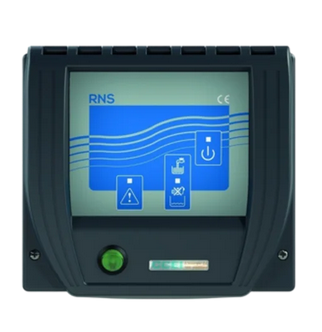
Automatic Water Regulators: The Indispensable Ally for Your Pool
An automatic water level regulator can transform your pool management. Here's why it's indispensable:
- Smart Operation: The system automatically adjusts the water level, eliminating the risk of unforeseen variations. It's a perfect tool to stay calm during bad weather.
- Maximum Efficiency: Coupled with an overflow, it offers a complete solution to prevent overflows, even in case of heavy rain.
At PoolPlanet, we offer high-end regulators combining reliability and ecology, to protect both your pool and the environment.
Good Practices for Seasonal Pool Maintenance
For a well-maintained pool all year round, follow these recommendations:
- Check the water level before rainy seasons: Anticipating critical periods will allow you to act before the level becomes dangerous.
- Clean Regularly: Make it a habit to remove debris and adjust water chemistry after every storm or heavy rain.
- Inspect Structures: After an overflow or heavy rain, carefully inspect your pool's structure for any potential wear.
By following these tips and with the support of our specialized team at PoolPlanet, ensure your pool optimal longevity without major problems.
FAQ
Is it bad for a pool to be too full?
Yes, an overfilled pool can lead to chemical dilution, making the water unbalanced. This can impair the functioning of the filtration system and cause damage to surrounding infrastructure, leading to higher maintenance costs.
How to solve the problem of an overfilled pool?
You can use a submersible pump or the multiport valve to drain excess water. Also, be sure to correct any chemical imbalances in the water and consider installing automatic control systems to prevent recurrence.
What equipment can prevent an overflow?
A water level regulator, an integrated overflow system, a cover, or a pool enclosure can effectively prevent an overflow. These solutions minimize the risk of water accumulation and limit the impacts of bad weather.
Why are skimmers important for the water level?
Skimmers ensure optimal filtration by collecting surface debris. If the water level is too high, they do not function correctly, leading to a decrease in water quality and promoting the proliferation of algae and bacteria.



































