


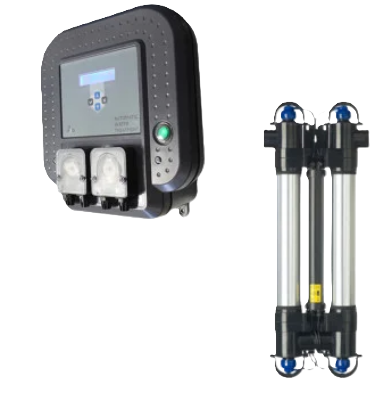
UV treatment for pools offers a modern and ecological solution for water disinfection. This system combines a pump, a sterilizer, and a UV lamp to purify the water during filtration. The emitted rays eliminate bacteria while significantly reducing the use of chemical products like chlorine. This method provides softer water and requires specific equipment.
The basics of UV treatment for pools
UV treatment for pools is based on simple yet effective technology. It uses UV lamps that generate high-intensity ultraviolet light to neutralize microorganisms present in the water, such as bacteria or algae. As water passes through the UV rays of the sterilizer, it is purified in seconds, without the addition of chemical or toxic products.
Advantages of UV treatment for pools
The main asset of UV treatment is its ecological nature. Unlike disinfectant products such as chlorine, UV rays leave no residue in the water and do not harm the environment. This makes it an environmentally friendly solution, favored by those seeking to adopt a greener and more sustainable management of their pool.
Thanks to UV, you can significantly reduce the use of chemical products. This not only leads to long-term savings but also makes the water softer, thereby limiting skin and eye irritations for swimmers. It's an ideal solution for providing perfect swimming quality.
Furthermore, a pool equipped with UV treatment generates fewer odors than those treated solely with chemical disinfectants, ensuring a more pleasant swimming experience for the whole family. This system improves both safety and comfort.
Limitations and disadvantages of UV treatment for pools
Despite its many advantages, UV treatment also has some limitations. Water passing under the lamp is disinfected but not disinfectant. This means it does not have a residual power to inhibit the proliferation of bacteria after passing through UV rays. This lack requires the addition of complementary treatment, such as a minimum dose of chlorine, bromine, or active oxygen.
A UV system also requires regular maintenance. The UV lamp must be replaced approximately once a year to ensure optimal performance, and other related equipment must be cleaned to prevent fouling. In addition, effective pre-filtration is essential for the proper functioning of the device.
Finally, the installation cost can represent a significant investment. The price of a UV system and annual maintenance fees add up, which requires prior evaluation. It is essential to precisely calculate the needs of your pool to avoid undersizing or oversizing the system, which could lead to unnecessary costs.
How to choose the right UV treatment system for your pool?
To choose the right UV system, it is essential to consider the volume of water to be treated. An undersized device will be ineffective, while oversizing will lead to wasted resources and high costs.
Also, ensure that the flow rate and diameter of your pool's pump and plumbing are compatible. In some cases, it may be necessary to add appropriate accessories.
Consider installation constraints. For example, do you have enough space to accommodate your UV device? Can your current electrical installation support this additional equipment? These elements require careful analysis before purchase.
Comparison with other pool treatments
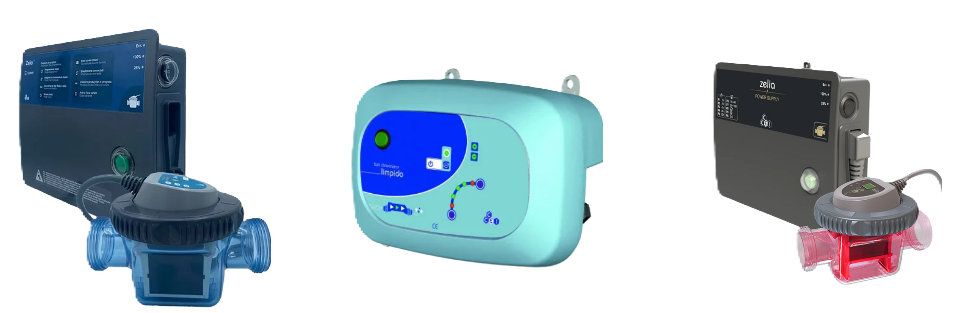
UV treatment differs from other techniques such as salt treatment by electrolyzer. The latter naturally converts chlorine from the salt present in the water, but it is generally more corrosive to your pool equipment. UV rays, on the other hand, are completely harmless to the equipment and offer the advantage of non-aggressive disinfection.
Compared to traditional chlorine or bromine-based methods, UV significantly reduces the amount of these products needed to maintain a clean and healthy pool. However, they do not completely replace these residual treatments, but reduce their use, offering a more economical solution in the long run.
UV treatment for pools, a sustainable and economical option?
In the long run, UV treatment offers significant ecological benefits. By reducing dependence on chemical products, it helps preserve not only the environment but also the quality of the pool water.
This high initial investment can quickly be offset by savings on disinfectant purchases and by the comfort provided by softer, more natural water. At PoolPlanet, we are committed to providing pool treatment solutions that combine durability and cost-effectiveness, while meeting your specific expectations.
FAQ about UV treatment for pools
How long does a UV lamp last in a pool?
The lifespan of a UV lamp for pools is generally 12 to 24 months, depending on its use and quality. It must be replaced regularly to ensure optimal water disinfection.
What are the advantages of UV treatment for pools?
UV treatment significantly reduces the use of chemical products, makes the water softer, and limits skin irritations. It is ecological, reduces unpleasant chlorine odors, and offers an environmentally friendly method for a more pleasant swim.
How does UV treatment for pools work?
Water passes in front of UV lamps that neutralize microorganisms by damaging their DNA, without the addition of chemicals. The treatment does not make the water disinfectant, but ensures optimized immediate disinfection through continuous passage through the system.
Does UV treatment completely replace chemical products?
No, it does not completely replace chemical products. UV treatment disinfects the water only when it passes in front of the UV lamp. A complementary disinfectant like a small amount of chlorine is necessary for prolonged protection against microorganisms.
What are the limitations of a UV system for pools?
UV-treated water has no residual power and requires a chemical supplement. In addition, UV lamps must be regularly maintained and changed approximately every year. Finally, the initial installation cost can be high, but often offset by reduced chemical expenses.



































