


Filling an above-ground pool is a crucial step that requires special attention to ensure a successful installation. To help you fully enjoy your pool, we have prepared a detailed guide covering each phase, from ground preparation to the first dive. You will discover essential precautions to take, such as choosing an ideal location, cleaning the ground, and adjusting water parameters. These practical tips will help you avoid common mistakes and ensure a pleasant swimming experience from the very first days.
Step 1: Prepare the location before the first filling
Choose a suitable location
To successfully fill your above-ground pool, choosing the location is the first crucial step. Opt for a stable spot, away from trees, to limit the presence of leaves and other debris in the water, which facilitates maintenance and improves water quality. Also, ensure that the ground is sturdy, well-leveled, and not prone to flooding to avoid any structural problems.
To optimize user comfort, place your pool in a location exposed to maximum sunlight during the day. This benefits natural water heating, thereby reducing the need for additional energy. A good location also ensures better wind protection, limiting heat loss.
Clean and level the ground
Once your location has been correctly selected, it is essential to prepare it carefully. Start by clearing the ground, removing stones, roots, and any other sharp objects that could damage your pool liner or cause leaks. Also, remember to remove weeds for safe assembly.
The ground must be perfectly leveled using a spirit level. To reinforce stability, install a ground mat or a suitable slab. This provides better protection for the bottom of the pool and improves thermal insulation. These preliminary efforts are essential to guarantee the durability of your structure and a pleasant swimming experience.
Step 2: Fill your above-ground pool
Gradually fill the pool
Start by carefully unfolding and positioning your pool on the prepared location. This will minimize the risk of creases on the liner. Then, begin filling by introducing water gradually. This helps ensure good load distribution on the ground and stabilize the walls.
Do not neglect to check the wall installation as the water level rises. Adjust if necessary to avoid tension on the liner. Gradual filling also facilitates easier integration of filtration accessories.
Check the water level for optimal operation
To ensure maximum efficiency of the filtration system, make sure the water level respects the markings indicated on the liner or in the user manual. A level that is too low will slow down filtration, while a level that is too high could cause overflows, especially during swimming.
An adequate water level balance is essential to facilitate maintenance and optimize the chemical treatment of the water. Remember to regularly monitor this parameter and adjust if necessary based on natural changes.
Step 3: Balance water parameters
Test and adjust pH and TA
To preserve bathers' health and the proper functioning of equipment, you must test the main water parameters as soon as your pool is filled. Use test strips or an electronic analysis kit to measure the pH. This should ideally be between 7.2 and 7.6. Also check the TA (Total Alkalinity), essential for stabilizing the pH and preventing frequent variations.
If these values are not correct, specific products such as pH corrector (pH+ or pH-) must be used. Well-balanced water limits algae proliferation and benefits swimming comfort. These adjustments ultimately guarantee water quality while extending the lifespan of your filtration equipment.

Perform a shock chlorination to disinfect the water
Before your first swim, perform a shock chlorination to eliminate impurities, bacteria, and pathogens. This initial treatment ensures effective disinfection, providing a healthy environment from the start. Be sure to follow the recommended dosages and let it act for several hours or overnight.
Remember to check residual chlorine levels before using the pool to avoid any discomfort. If you prefer environmentally friendly alternatives, PoolPlanet offers innovative systems for water treatment.
Step 4: Program filtration and begin water treatment
Calculate and set the filtration time
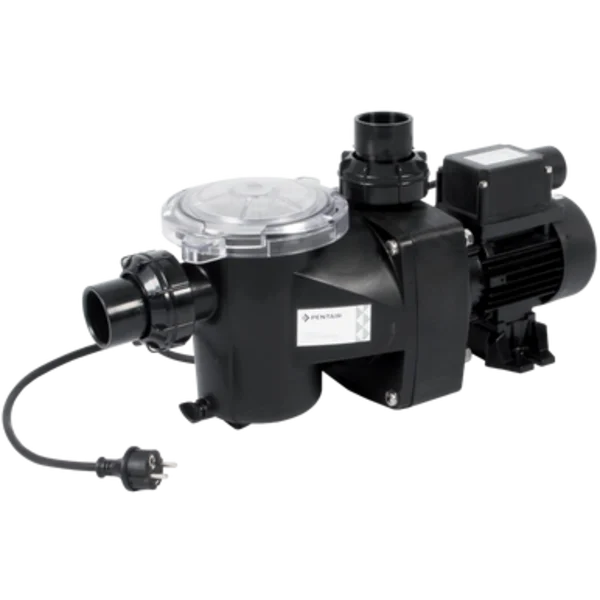
Filtration is an essential step to keep the water clean and clear. Determine the necessary duration by dividing the water temperature by two (e.g., for water at 28°C, you need to filter for at least 14 hours a day). Program your pump for continuous operation during this time slot, especially during the first weeks of operation.
A well-adjusted system extends the efficiency of your filtration system, reduces debris accumulation, and improves the diffusion of treatment products.
Use appropriate treatment products for continuous maintenance
Remember to include products such as chlorine stabilizer, clarifiers, and algaecides in your maintenance routine to maintain good water quality. These products complement the performance of your filter.
Step 5: Additional equipment for optimal use
Install a salt chlorinator for saltwater pools (if applicable)
If you want to adopt a more ecological solution, opt for the installation of a salt chlorinator. This equipment converts salt into natural chlorine, thereby reducing the use of traditional chemical products. A saltwater pool offers soft water quality and automated maintenance without compromising hygiene.
It is an ideal option for those seeking a sustainable solution that is more respectful of the environment, while enjoying a pleasant swim.
Protect your pool with appropriate covers and equipment
Invest in protections such as a bubble cover to retain heat and limit evaporation. A safety cover is also recommended to prevent accidents with children or pets. These accessories also slow down the accumulation of dirt, facilitating your daily maintenance.
Additional equipment such as a shelter can also improve thermal insulation and optimize water consumption.
Step 6: Tips for a successful first use
Regularly test the water with connected tools
To ensure regular management, use connected tools capable of measuring your pool's data in real-time. These devices provide detailed information directly on your smartphone, allowing you to adjust treatments with ease. This technology improves monitoring and setting precision.
Prevent temperature variations and protect the water
To avoid sudden temperature variations, monitor the water with a thermometer and adjust if necessary. In case of high heat, consider increasing the filtration duration or adding fresh water. These small attentions extend the durability of your equipment and preserve water quality for an always pleasant swim.
By following these tips, you will fully enjoy your above-ground pool from its installation, ensuring a simple and fun experience for the whole family!
FAQ
What are the steps to treat a new pool for the first time?
Choose a stable location and clean it. Make sure the ground is flat, fill your pool gradually, and rigorously check the water level. Adjust the pH and TA, perform a shock chlorination, then start the filtration system.
What treatment should be carried out during the first filling of an above-ground pool?
After filling the pool, test the water's pH and TA to adjust them if necessary. Perform a shock chlorination to effectively disinfect. Program filtration according to the water temperature and introduce appropriate treatment products to maintain quality.
How to prepare the ground before installing an above-ground pool?
Choose a stable, sunny surface, remove all debris (stones, roots), and carefully level the ground. Place a ground mat or slab to protect the pool and ensure its durability. This step also reduces the risk of damage to the liner.
What is the ideal location for an above-ground pool?
A stable, sunny, and wind-protected location is preferable. Stay away from trees to limit debris. Make sure the ground is sturdy, well-leveled, and not prone to flooding to avoid structural problems and benefit from natural water heating.
What parameters should be checked after filling a pool?
Test the pH (7.2 to 7.6) and TA to promote water stability. Also check the chlorine level after a shock chlorination to ensure optimal quality. These steps ensure bathers' health and extend the life of filtration equipment.
Why use a salt chlorinator for a saltwater pool?
A salt chlorinator converts salt into natural chlorine, reducing the use of chemicals. This offers soft water quality and simplified maintenance, while remaining environmentally friendly. It is a sustainable solution for comfortable and hygienic swimming.
How to easily monitor pool data?
Connected tools measure parameters such as pH, chlorine, and temperature in real-time. They allow you to track and adjust treatments directly from your smartphone, thereby improving management and setting precision.



































