


A leak in a pool filter pump can quickly become a major problem for your pool. Whether it's at the fittings, seals, or the pump body itself, it's essential to quickly identify the source of the leak to prevent more extensive damage. In this article, we'll look at how to detect the different possible causes, practical solutions to repair your equipment, and best maintenance practices to prevent these inconveniences. With the right tools and advice, you can keep your pool filtration system in perfect working order and enjoy your pool with peace of mind.
Identifying the main causes of a leak in a filter pump
Loose or undone pipe fittings
One of the most common causes of a leak in a filter pump is related to pipe fittings. If these are not properly secured or become loose over time, leaks can occur. This is often due to vibrations caused by the pump's operation or incomplete initial installation. These vibrations can cause wear on tightening threads or poorly secured fittings, a common problem in pool plumbing systems.
Worn or damaged seals
Seals play a crucial role in preventing leaks. Over the years, they can deteriorate due to constant exposure to chlorinated water, sunlight, and temperature variations. A broken or damaged seal easily allows water to pass through. Moreover, regular checks for seal wear in pool equipment, including filters, are necessary to maximize the effectiveness of the sealing system.
Cracks in the pump body
Cracks can appear on the pump body, often caused by natural wear, impacts, or excessive pressure. These cracks allow a leak that can quickly become problematic for your pool's filtration system. Prolonged exposure to extreme temperatures or extended use of an overloaded pump motor can also cause damage to plastic or metal materials.
Checking and tightening pipe fittings
Tools needed to secure fittings
To resolve a leak in a filter pump, you will need a few basic tools, including:
- A flat wrench or adjustable wrench
- Teflon tape to improve sealing
- A screwdriver, if clamps are installed
Make sure you also have a flashlight to better inspect hard-to-reach areas. These tools should be sufficient for proper maintenance of the hydraulic system and to avoid suction losses in the pool.
Steps to recheck tightness after intervention
After tightening the fittings, restart the pump and observe carefully. Check that there are no more leaks by looking around the fittings. If a leak persists, it may be necessary to dismantle and reassemble the pipes with Teflon tape to ensure optimal sealing. This is one of the most economical and effective solutions to avoid more significant damage, such as water infiltration into your pump's motor.
Repair and replacement of seals
Identifying faulty seals in the pump
To diagnose a seal problem, start by disassembling the pump according to the manufacturer's instructions. Look for damaged or flattened seals, often located on the pre-filter cover or near the inlet and outlet connections. These areas are most susceptible to leaks. Low system pressure can also indicate a sealing problem at the gaskets.
Tips for effective and durable replacement
When replacing seals, apply a thin layer of silicone grease for pools on each seal. This facilitates installation and improves sealing. Also, check that the new seals are compatible with your pump model to avoid any future problems. Always choose high-quality seals, specially designed to withstand prolonged exposure to chemicals and UV rays.
Patching or replacing cracked pump parts
When to use epoxy glue for temporary repair
Small cracks in the pump body can often be temporarily patched with epoxy glue. Clean and dry the area well before application to ensure better adhesion. However, this solution is temporary and does not replace a true part replacement. Choose an epoxy glue resistant to moisture and suitable for the specific materials used in your pump.
Indications for choosing a new part or replacing the entire pump
If the cracks are significant or several pump components are in poor condition, it may be better to replace the pump entirely. Choose durable equipment suitable for your needs. A new pool pump that is energy-efficient can also reduce your operating costs while avoiding repeated leak problems.
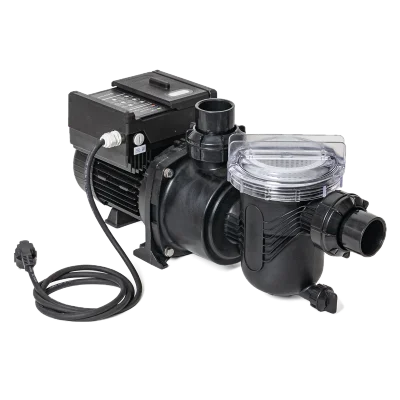
Preventing leaks in a filter pump
Regular maintenance to avoid pressure problems
Regular maintenance is essential to prevent a leak in a filter pump. Clean the filters, check the fittings, and visually inspect the pump to detect any potential problems before they worsen. Regular maintenance also includes checking the pre-filter to prevent it from being clogged by debris or solid waste.
Adapting the pump to seasons and climate variations
In winter, remember to drain the pump and protect it from freezing. In summer, monitor pressure variations that could be caused by intensive use. These actions ensure better resistance of your pump to external elements. These precautions also extend the pump's lifespan, while maintaining optimal performance of your pool's filtration system.
When to call a professional for a leak in a filter pump?
Complex breakdowns requiring specific expertise
If you identify a complex problem (such as internal pump damage or motor failure), it is best to call a professional. They have the skills and tools to handle these situations effectively. Prompt intervention can prevent additional damage and high repair costs.
Criteria for choosing a qualified technician
Look for a technician specializing in pools, ideally recommended by recognized manufacturers. Ask for references and check customer reviews to ensure quality service. Working with an expert specializing in hydraulic and electrical troubleshooting guarantees an accurate diagnosis and a lasting repair.

Optimizing the lifespan and proper functioning of your pump
Checklist of best practices for daily maintenance
Adopt these habits to protect your pump:
- Regularly clean the pre-filters
- Monitor the water level in the pool to prevent the pump from running dry
- Review seals once a year
These preventive measures not only reduce the risk of breakdown but also ensure economical and uninterrupted operation of your pool's water filtration system.
How to protect a pump from environmental damage
Install your pump in a protected technical room away from bad weather and avoid configurations where it would be directly exposed to UV rays or excessive humidity. Installing a shelter or a special pump cover can also reduce wear caused by harsh climatic conditions.
Choosing the best filter pump for your pool
Comparison of reliable brands and models to avoid problems
At PoolPlanet, we recommend brands like Pentair, known for their reliability and efficiency. These pumps are designed to minimize the risk of leaks and ensure optimal performance. Their design often focuses on energy savings and increased durability.
Evaluating price and warranty in case of necessary replacement
When purchasing a new pump, compare not only prices but also the warranties offered. An extended warranty is often an indicator of product quality and durability. Prioritize models guaranteed for periods up to five years, which could save you on potential premature repairs or replacements.
FAQ
Why is my pool pump leaking from the bottom?
A leak from the bottom of the pump can be caused by worn seals, loose fittings, or cracks in the pump body. Inspect these elements to identify the source of the leak and proceed with a quick repair.
What is the average lifespan of a pool pump?
The average lifespan of a pool pump is about 8 to 12 years, depending on its maintenance, quality, and environmental conditions. By performing regular maintenance, you can extend its longevity.
How to remove air from a pool pump?
To remove air, turn off the pump, open the pre-filter cover, and fill it with water. Close the cover, open the suction valve, and turn on the pump. This helps restore normal water flow.
What are the signs of a faulty filter pump?
Signs include loss of pressure, unusual noises, water leaks, or cloudy pool water. If you observe these problems, it is advisable to check the pump without delay.
How to maintain a filter pump?
Clean the filters, check fittings for leaks, inspect seals, and monitor overall operation. Regularly applying silicone grease to the seals helps maintain a good seal.
When to use epoxy glue to repair a leak?
Epoxy glue is suitable for temporarily patching small cracks in the pump body. Clean the area well before application, but consider replacing the part if the damage is significant.
How to prevent leaks in a pool pump?
Perform regular maintenance, tighten fittings, replace worn seals, and protect the pump from bad weather. These actions help reduce leaks and improve the pump's lifespan.



































