


Understanding swimming pool water evaporation is essential for any pool owner. This natural phenomenon, which depends on multiple factors such as temperature, humidity, and exposed surface area, can quickly lower your pool's water level. Filtration systems, the pump, and even the presence of a cover can influence this process. To avoid confusing it with a leak, it's important to know how to identify the signs of normal evaporation, especially by performing a bucket test. Pools are particularly affected by this process in both winter and summer, which can impact your pool's balance.
Main causes of swimming pool water evaporation
Swimming pool water evaporation can sometimes surprise owners, as it leads to significant water loss, thus affecting the pool's water level. Several factors explain this phenomenon. The primary cause is heat and high temperatures. The higher the outside temperature, the faster pool water evaporates, because the evaporation phenomenon is intensified by the increase in temperature.
Next, wind plays an important role. When wind constantly sweeps across the water's surface, it promotes evaporation, especially if the air is dry and has low humidity. This phenomenon is comparable to constant ventilation that accelerates the process. Moreover, a large exposed water surface amplifies this evaporation. A large pool will naturally lose more water than a small one.
How to differentiate evaporation from a leak in your pool
The bucket test method
When you notice an abnormal drop in your pool's water level, it's essential to determine if it's due to a leak or evaporation. To do this, you can perform the famous bucket test. Fill a bucket with water and place it on one of your pool's steps so that the outside water level matches the inside level of the bucket. After 24 hours, compare the two. If the loss is identical inside and outside the bucket, evaporation is the cause. If the pool water level drops more, you likely have a leak in your pool or equipment.
Checking equipment and pool
To rule out a possible leak, inspect your filtration equipment such as skimmers, pumps, and pipes. Also, check the watertightness of the pool walls. A leak could be caused by an imperceptible crack or degradation in a joint. This type of problem can often be resolved with suitable repair products.
Effective solutions to limit swimming pool water evaporation
The pool cover: An essential solution
An effective way to reduce evaporation of pool water is to use a cover. Covers not only protect your pool but also play a crucial role in reducing losses due to this phenomenon. Here are the main options:
- Automatic slatted cover: This is an excellent solution for securing and preserving your pool.
- Bubble cover: Ideal for retaining accumulated heat and limiting evaporation.
- Bar cover: An alternative that combines protection, safety, and evaporation prevention.
Covering your pool in the evening, at night, or during windy periods is essential to minimize water loss. This also helps maintain a good temperature, thus reducing the effort required from your heat pump.
If you're hesitating between a bubble cover and a bar cover, find our explanations and advice to choose the equipment best suited to your needs.
Cooling your pool water
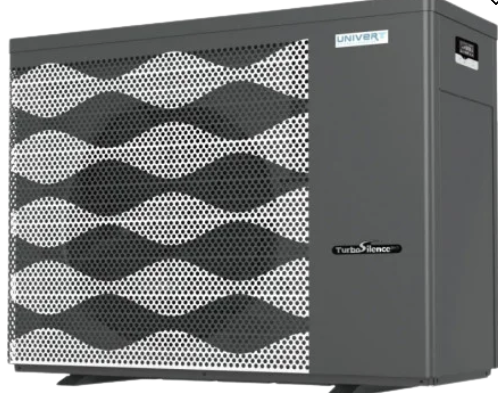
Another way to limit evaporation is to maintain the water at a temperature slightly lower than the ambient air. This reduces the temperature difference between the pool and the atmosphere, which significantly lessens the effect of evaporation. Reversible heat pumps are practical devices for precisely regulating water temperature and avoiding excessive consumption. Their use is particularly recommended to prevent water loss during periods of high summer heat.
Installing a pool enclosure for optimal reduction
By opting for an enclosure, you not only reduce evaporation, but you also limit the accumulation of debris in the water. This decreases your chemical product needs related to maintenance and optimizes your filtration system. An enclosure is therefore both an ecological and economical solution, and particularly interesting for ensuring optimal comfort all year round.
Common mistakes and best practices for managing water evaporation
A common mistake made by many owners is to overheat their pool water. Maintaining too high a temperature in the pool intensifies evaporation and leads to excessive energy consumption. Instead, adopt a moderate approach by setting the heating responsibly.
Furthermore, the orientation and location of your pool play a decisive role. If you plan to build a pool, avoid areas exposed to strong winds. These significantly accelerate water evaporation. Plan your project well to prevent these harmful effects and maintain a good water level naturally.
Managing maintenance and reducing water consumption
Regular maintenance ensures not only the cleanliness of your pool but also a reduction in unnecessary water loss. Make sure to regularly clean your filtration system, especially the filters, as clogged equipment can lead to inefficient operation and overconsumption.
FAQ
What factors influence water evaporation?
Heat, wind, low air humidity, and a large exposed water surface are the main factors that increase the evaporation rate. Frequent use of the pool also accentuates the phenomenon.
How to distinguish evaporation from a leak in the pool?
Use the bucket test: place a bucket of water at the pool's water level. If the water level drops more in the pool than in the bucket after 24 hours, it's a leak, not evaporation.
Why do high temperatures increase evaporation?
High temperatures increase the energy present in the pool water, promoting its transition from liquid to gas state. The warmer the water, the faster the evaporation, especially if the ambient air is dry.
When is evaporation strongest?
Evaporation is particularly significant during the night, when the air cools and comes into contact with still warm water. Night wind can also promote this phenomenon.



































